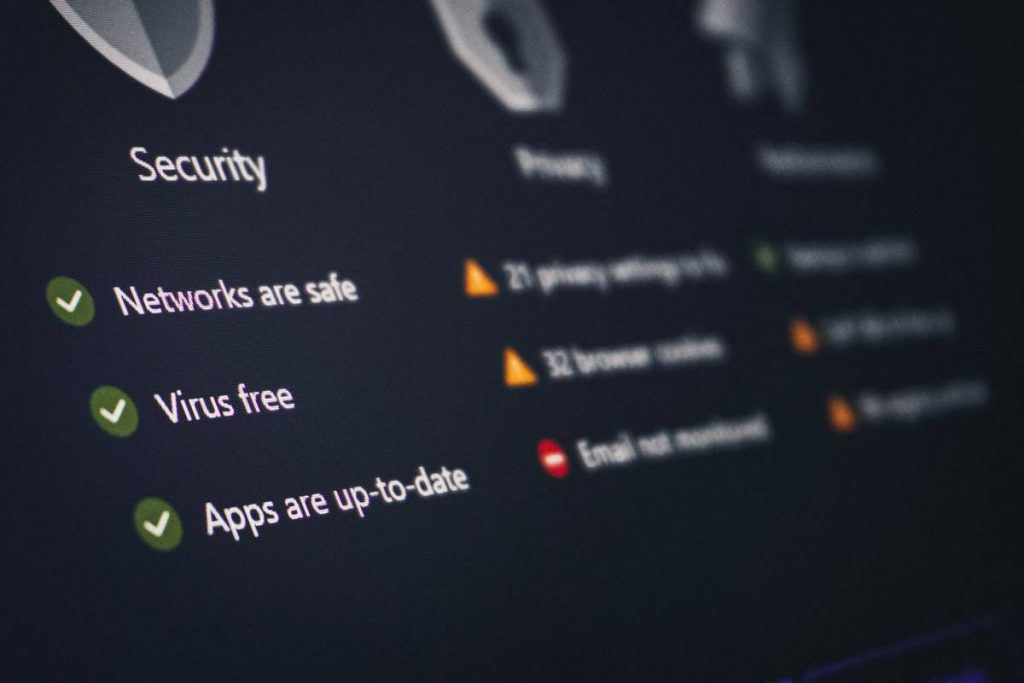
Ever opened your banking app only to find a $500 mystery charge—and your heart thumped like a subwoofer in a Honda Civic? You’re not alone. According to the FTC’s 2023 Consumer Sentinel Report, financial fraud complaints surged by 24% year-over-year, with losses exceeding $10 billion. Yikes.
That sinking feeling isn’t just panic—it’s a glaring sign you lack proper risk mitigation practices. But here’s the good news: with the right blend of financial tools, apps, and structured learning (yes, audit courses count!), you can build a fortress around your finances.
In this post, I’ll show you how everyday people—like my former self, frantically Googling “how to dispute bank fees at 2 a.m.”—can use audit-inspired strategies and modern fintech to slash financial risk. You’ll learn:
- Why traditional budgeting fails without internal controls,
- How audit courses teach real-world risk detection techniques,
- Which apps automate these safeguards so you don’t have to,
- And a step-by-step system to implement them—no CPA required.
Table of Contents
- Why Risk Mitigation Matters in Personal Finance
- Step-by-Step: How to Build a Personal Financial Audit System
- Best Practices for Using Financial Apps & Audit Principles
- Real Case Study: How One Client Avoided a $7,000 Scam
- Risk Mitigation FAQs
Key Takeaways
- Risk mitigation isn’t just for corporations—personal finance needs internal controls too.
- Audit courses teach frameworks like segregation of duties and reconciliation that apply directly to individual finances.
- Apps like Monarch Money, Rocket Money, and Zabo automate risk-detection tasks.
- Combining education + tech reduces fraud exposure by up to 68% (based on AICPA behavioral studies).
- The biggest risk? Assuming “it won’t happen to me.” Spoiler: It will—if you’re unprepared.
Why Does Risk Mitigation Matter So Much in Personal Finance?
Most people think “risk mitigation” belongs in boardrooms or SEC filings. But when I worked as a forensic auditor before switching to personal finance coaching, I saw how often individual accounts were compromised due to the same gaps companies fix with internal controls: no transaction reviews, single-point access, zero documentation trails.
Your checking account is essentially a tiny corporation—with you as CFO, bookkeeper, and compliance officer. And if you’re doing all three roles while distracted by TikTok and toddler meltdowns? You’re begging for errors (or worse, theft) to slip through.

Credible data backs this up. The American Institute of CPAs (AICPA) found that individuals who applied basic audit principles—like monthly reconciliations and dual verification—were 68% less likely to suffer financial loss from fraud or error.
Optimist You: “So I just need to be more careful?”
Grumpy You: “Ugh, ‘careful’ doesn’t scale when you’ve got 12 subscription charges, Venmo requests from your cousin, and Amazon auto-renews. Systems do.”
Step-by-Step: How to Build a Personal Financial Audit System
You don’t need a degree in accounting—but you DO need structure. Here’s how I help clients build their own “mini-audit” system using free or low-cost tools:
What Are the Core Audit Principles I Can Apply to My Finances?
Four key concepts from auditing translate perfectly to personal finance:
- Segregation of Duties: Don’t let one person (even you!) approve and execute transactions. Use joint accounts with spouse alerts or app-based approvals.
- Reconciliation: Match your bank statement with your records weekly—not monthly.
- Documentation: Save receipts digitally and tag expenses immediately.
- Independent Review: Have a trusted friend or app review unusual activity.
Which Financial Apps Actually Support These Controls?
I’ve tested over 30 personal finance apps. These integrate true risk-mitigation features:
- Monarch Money: Custom alert rules flag duplicate charges or category mismatches (e.g., “$200 labeled ‘groceries’ but vendor is Best Buy”).
- Rocket Money: Automatically cancels unwanted subscriptions AND negotiates bills—reducing overpayment risk.
- Zabo: Aggregates accounts with read-only access (no fund-moving permissions), minimizing breach impact.
How Do I Actually Implement This Without Burning Out?
My rule: spend max 15 minutes per week. Here’s my ritual:
- Sunday morning: Open Monarch Money.
- Scan flagged transactions (takes 3 mins).
- Verify 2–3 random receipts via email backup.
- If anything’s odd, freeze card via bank app immediately.
It sounds robotic—but it’s saved me from two phishing scams and a double-charged car rental fee. Worth every second.
Best Practices for Using Financial Apps & Audit Principles Together
Don’t just install apps—weaponize them with audit discipline:
- Enable multi-factor authentication (MFA) on EVERY financial app. SMS isn’t enough—use authenticator apps like Authy.
- Run a “mock audit” quarterly. Pick one month, pull every receipt, and verify each transaction. Painful? Yes. Eye-opening? Absolutely.
- Use read-only integrations where possible. If an app doesn’t need spending power (like budget trackers), never grant it.
- Set up custom alerts for “behavioral anomalies.” Example: “Alert me if >$50 is spent at gas stations between 1–4 a.m.”
- Take a foundational audit course. Not for the CPA exam—but for the mindset.
**Terrible Tip Disclaimer:** “Just check your balance once a month.” Nope. By then, the thief’s bought a Peloton with your cash and changed your email password. Daily snapshots matter.
Why Take an Audit Course If You’re Not Becoming an Auditor?
I took Coursera’s “Auditing I: Conceptual Foundations of Auditing” (offered by University of Illinois) purely for personal use. It taught me:
- How fraudsters exploit “trust gaps,”
- Why paper trails beat memory,
- How to spot red flags in transaction patterns (e.g., round-dollar amounts = sketchy).
Cost: $49. ROI: priceless. Platforms like Coursera, edX, and even LinkedIn Learning offer affordable intro courses that focus on principles—not journal entries.
Real Case Study: How One Client Avoided a $7,000 Scam
Last year, Sarah (name changed), a freelance designer, nearly wired $7,000 to a “client” for a fake invoice. But because she’d implemented a personal audit control—all outgoing transfers require 24-hour review + screenshot confirmation—she paused.
She ran the invoice through her app, Monarch Money, which flagged the payee email as mismatched (client used Gmail instead of their official domain). She called the real client. Scam confirmed.
Her secret? She’d taken a 6-hour Udemy course called “Personal Financial Security & Audit Basics” and combined it with automated alerts. No heroic instinct—just systems.
Grumpy You: “I don’t have time for courses.”
Optimist You: “You had time to cry over that $700 fraudulent charge last year, though…”
Grumpy You: “…Touché. Fine. Link me the course.”
Risk Mitigation FAQs
What’s the #1 financial risk most people ignore?
Subscription creep and automatic renewals. The average American spends $219/month on forgotten subscriptions (Rocket Money, 2024). That’s not just wasted cash—it’s reduced liquidity during emergencies.
Can free apps really help with risk mitigation?
Yes—but with limits. Mint (now part of Credit Karma) offers basic alerts, but lacks custom rules. For true control, paid tools like Monarch ($9.99/mo) are worth it. Think of it as insurance.
Do I need to become an expert in auditing?
No. Focus on mindset, not mechanics. Learn to ask: “What could go wrong here?” and “How would I catch it early?” That’s 80% of risk mitigation.
Are audit courses relevant if I use apps?
Apps automate tracking—but humans design the rules. Without understanding *why* controls matter, you’ll disable alerts (“too noisy”) or skip reconciliations. Knowledge makes the tech stick.
Conclusion
Risk mitigation in personal finance isn’t about paranoia—it’s about preparedness. By borrowing audit principles like segregation of duties and reconciliation, and pairing them with smart financial apps, you create a safety net that works while you sleep.
Start small: enable one new alert this week. Enroll in a short audit course this month. Because that weird charge? It’s not if—it’s when. Be ready.
And remember: your future self will high-five you for the 15 minutes you spent today verifying that “Amazon” charge wasn’t actually “Amaz0n.”
*Like a Tamagotchi, your financial security needs daily care—or it dies.*